Introduction
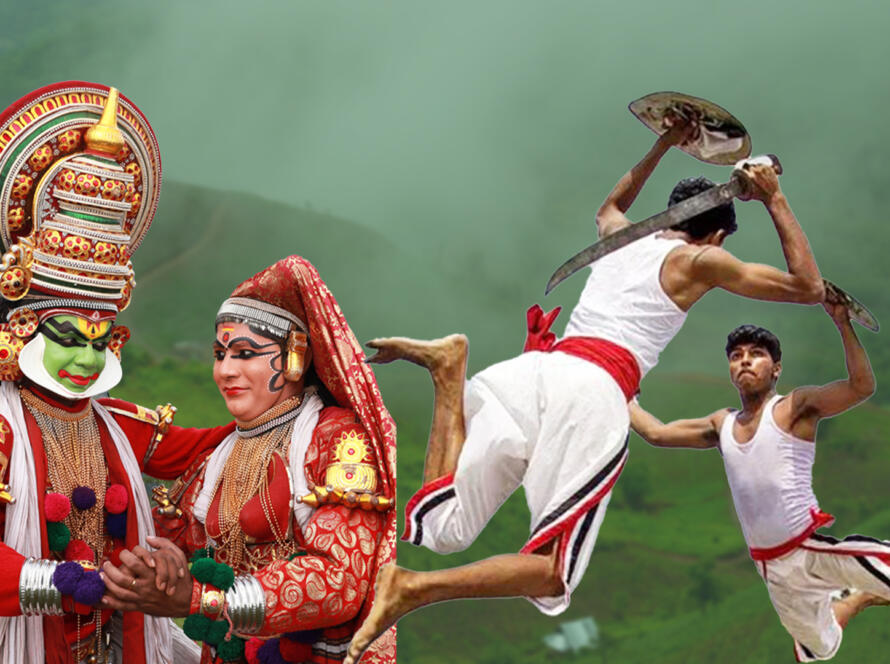
Before the first bell rings to signal the start of combat, there is a palpable energy in the air. The performers stand poised, their bodies gleaming with oil, weapons in hand. They are ready to demonstrate Kalaripayattu, the ancient martial art of Kerala. At Punarjani Traditional Village, this is not just a demonstration—it is a living link to a martial tradition that stretches back over centuries and is considered by many to be the mother of all martial arts .
The History and Legacy of Kalaripayattu
Kalaripayattu is believed to have originated in the state of Kerala during the 11th and 12th centuries CE . The word itself is a combination of two Malayalam words: “Kalari,” meaning the training ground or battlefield, and “Payattu,” meaning practice or combat . According to legend, the art was introduced by Lord Parashurama, the sixth incarnation of Lord Vishnu, who created Kerala and established the first 108 kalaris (training centres) . Another fascinating legend connects the art to Bodhidharma, a South Indian Buddhist monk who travelled to China and is credited with influencing the development of martial arts like Kung Fu . Historically, every village in Kerala had its own kalari to train the youth, especially from martial communities like the Nairs and Thiyyas .
The Kalarippayattu Experience at Punarjani
The performance at Punarjani Traditional Village is a breathtaking display of skill, agility, and fearlessness. The show is a captivating blend of:
- Weaponry (Ankathari): Performers engage in combat using traditional weapons like swords, shields, spears, and daggers. Their movements are lightning-fast, displaying precision and control.
- Bare-Hand Techniques (Verumkai): The artists demonstrate powerful strikes, kicks, and grappling techniques that are a testament to their immense physical discipline .
- Fire Stunts: In a thrilling highlight, performers leap through rings of flames and spin blazing torches, showcasing unparalleled bravery and focus. This is a crowd favourite that leaves audiences gasping in awe .
More Than Just a Performance
Watching Kalaripayattu is an interactive experience. After the show, guests are often invited to try their hand at using traditional weapons and strike a warrior pose for photos . You can ask the artists about their training, which often begins in childhood and involves rigorous physical conditioning, including full-body oil massages (Kalari Uzhichil) to build flexibility and strength . The art is also deeply connected to the Ayurvedic system of medicine, with knowledge of Marmas (vital points) and healing methods being an integral part of the tradition .
Plan Your Visit
The Kalarippayattu show at Punarjani Traditional Village in Munnar is a must-see. The show typically begins at 6:00 PM daily . Ticket prices range from ₹200 to ₹500 per person, with premium seating offering the best view of the action .